GE Machinery – Deburring and Metal Finishing Machinery
sales@gemachinery.co.uk
0333 242 0424
Risk and Work Environment
Risk Assessment and Safety measures in the work environment of metal finishing machines.

Risk Assessment
As someone once said “fitting a CE* marked circular saw to a CE marked cot does not result in a CE compliant assembly”.
Risk Assessments analyse the potential risks and dangers that arise from using a particular product either in isolation or in conjunction with other equipment. New owners of our machines are often ignorant of the risks arising from their operation. Even though we go through the risks at the time of commissioning and training, where a company requires it we can assist in formulating a Risk Assessment and how to minimise or mitigate those risks.
*(Conformité Europeéne) CE Marking on a product is a manufacturer’s declaration that the product complies with the essential requirements of the relevant European health, safety and environmental protection legislation.

COSHH & LEV
Control Of Substances Hazardous to Health (COSHH) and Local Exhaust Ventilation (LEV) are just two of the legislative edicts with which we must all comply.
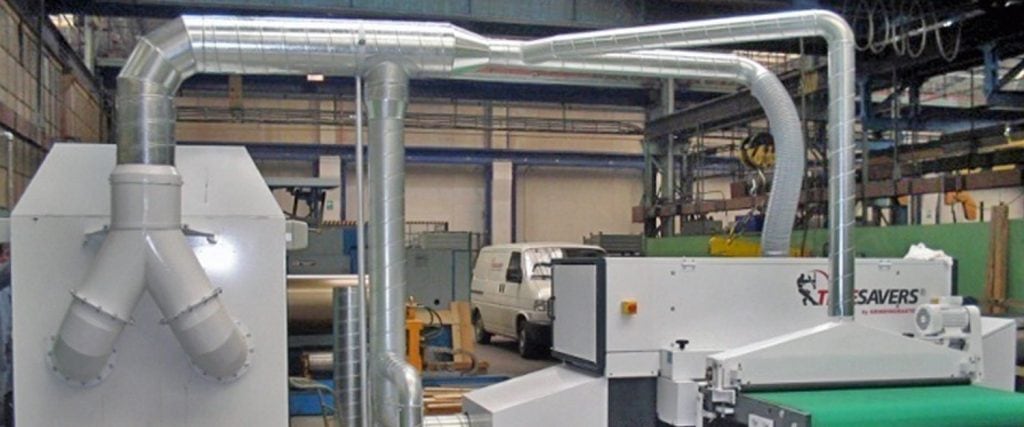
COSHH is basic common sense in that no employer wishes to expose their workforce to potentially harmful dust. Little of the dust generated by GE Machinery’s machinery is toxic (we offer wet-working machinery if there is a risk), but the particles at the very least, would serve as irritants if not collected. Which is why we insist customers have adequate dust extraction in place before we commission new machinery.
By extracting and filtering the dust with a correctly sized and operating dust extractor, you will have complied with the COSHH requirements.
However, no matter how good an extractor when it’s new, it is easy to be lulled into a false sense of security if the extractor’s performance falls. This can be checked with regular (usually annual) LEV tests with any deterioration becoming apparent and corrected.
GE Machinery can arrange for certificated LEV tests either as stand-alone checks or as part of the machinery’s Service Contract.

TRANSPORT, OFF-LOADING & SITING
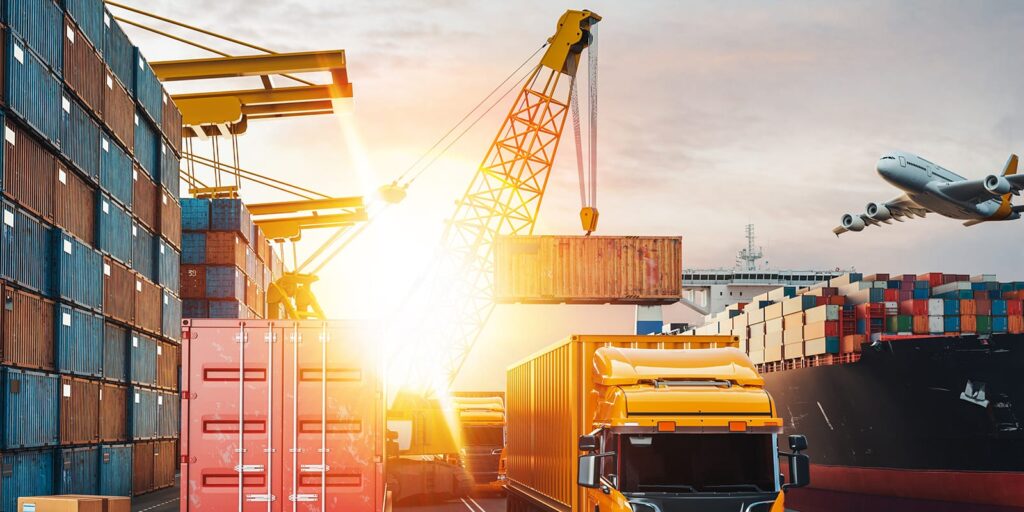
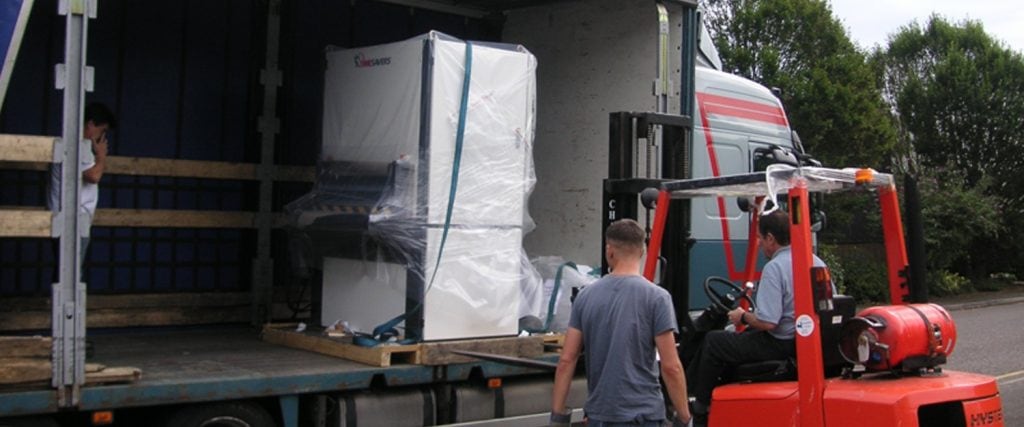
Having purchased a machine and, usually, associated ancillary equipment, it needs to be transported and delivered. Customers occasionally prefer to arrange their own collection; all well and good.
However, GE Machinery can offer door-to-door transport with off-loading and siting by the customer, or complete delivery to point of use where we take responsibility for transport, off-loading, siting and all mechanical installation work (civils can be arranged using outside contractors).
All will be discussed and agreed upon prior to despatch, with site visits and surveys if necessary.
Dust extraction & filtration
Any process that abrades material generates dust. Dust that isn’t collected can damage the surface finishes you want to achieve, the moving parts of the machine, your operators’ lungs and those working in the vicinity, and, in extreme cases with white metal dusts, it can even explode. Dust NEEDS to be collected. Collection of airborne dust takes two general forms: dry or wet.
- The dry method typically involves sucking the dust laden air through filter bags. There are many options available to add to this technique: spark traps, auto shake down, secondary High Efficiency (HEPA) filters, dust bags and bins for collection. Choices depend on the dust, the volumes and the duty.
- A common variation is the cyclone filter for heavy dust loadings. No bags, and few moving parts but at the expense of particle size efficiency.
- Wet collection involves drawing the dust laden air through a sump of water, eliminating all fire hazards. Again there are many options for different circumstances.
But for the extractor to be efficient it needs to be matched to the correct ductwork. Correct in terms of diameter, wall thickness (e.g. 2mm/14g when dealing with explosive dusts), distance from source of dust, number of bends, position of inspection hatches, etc.
And where should you site the extractor? Inside your factory? Outside? Next to the source of the dust?
GE Machinery can advise and help at all stages, with selection, installation, maintenance and on-going certification.
Dust Extraction
Filtration
The alternative to abrading dry and collecting the dust it is to run the whole process wet. This has the added advantage of ensuring that heat sensitive products are kept cool.
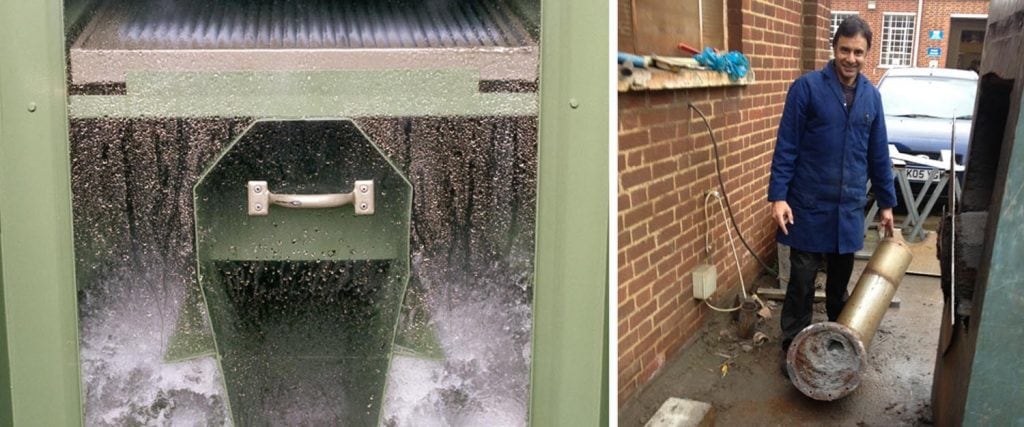
The fines produced by the abrading process are then carried away by a stream of coolant (usually water with a rust inhibitor) for processing. In its simplest form this can be done by just allowing the dirt in the water to settle but it is more usual to utilise a gravity filter where the dirty water filters through a fine paper mesh by gravity. The cleaned water falls through to a sump awaiting recirculation to the grinding area. When the filter paper starts to clog, the paper is indexed; dirty paper collecting in a bin for disposal and clean paper receiving the fines-laden water.
GE Machinery can advise and help at all stages, with selection, installation, maintenance and on-going certification.
Ask about dust extraction machinery
Handling
A subject in its own right, GE Machinery provides all manner of labour saving peripheral add-ons for:
- small pieces to whole sheets and plates
- de-stacking and loading systems
- coating systems
- stacking systems
- systems to return components to the operator
- conveyor belts
- roller tables
- washing, cleaning and drying
- inspection


We are only limited by your imagination.


